
The 11 Best Fruits for Weight Loss
Medically reviewed by Amy Richter, RD, Nutrition — By Elise Mandl, BSc, Msc, APD — Updated on March 10, 2023
From http://www.healthline.com

Many fruits are low in calories yet rich in fiber, which may benefit weight loss. Some fruits, including apples, berries, and melons, may also increase feelings of fullness.
Fruit is nature’s ready-made snack packed with vitamins, fiber, and other nutrients that support a healthy diet.
Fruit is also generally low in calories and high in fiber, which may help you lose weight.
In fact, eating fruit is linked to a lower body weight and a lower risk of diabetes, high blood pressure, cancer, and heart disease (1Trusted Source, 2Trusted Source, 3Trusted Source).
Here are 11 of the best fruits to eat for weight loss.
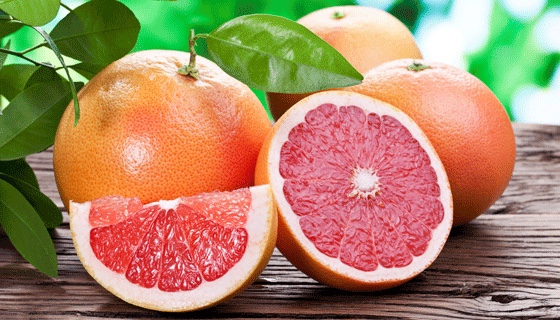
- Grapefruit
Grapefruit is a cross between a pomelo and an orange and is commonly associated with dieting and weight loss.
Half a grapefruit, or 123 grams (g), contains just 37 calories but provides 51% of the Daily Value (DV) for of vitamin C. Red varieties also provide a small amount of vitamin A (4Trusted Source).
What’s more, grapefruit has a low glycemic index (GI), which means it releases sugar into your bloodstream more slowly. A low GI diet may aid weight loss and weight maintenance, though evidence is limited (5Trusted Source, 6Trusted Source, 7Trusted Source).
Interestingly, a recent review found that grapefruit consumption reduced body fat, waist circumference, and blood pressure compared to control groups (8Trusted Source).
Plus, grapefruit is high in naringenin, a type of flavonoid with antioxidant and anti-inflammatory properties that may protect against diabetes and heart disease (9Trusted Source, 10Trusted Source, 11Trusted Source).
While grapefruit can be eaten on its own, it also makes a great addition to salads and other dishes.
SUMMARY
Grapefruit is very low in calories and high in vitamin C. It may be a healthy snack before main meals to help reduce your overall food intake.
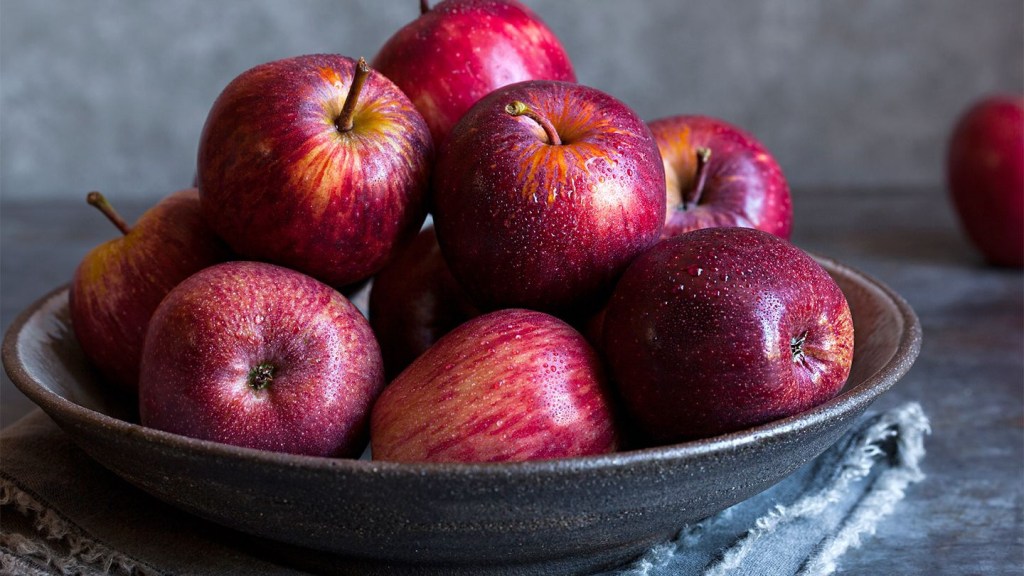
- Apples
Apples are low in calories and high in fiber, with 116 calories and 5.4 g of fiber per large fruit (223 g) (12Trusted Source).
They have also been found to support weight loss.
In one 2008 study, females were given three apples, three pears, or three oat cookies — with the same calorie value — per day for 10 weeks (13Trusted Source).
The apple group lost 2.1 pounds (lbs), or 0.93 kilograms (kg), and the pear group 1.6 lbs (0.84 kg), while the oat group’s weight did not change (13Trusted Source).
Additionally, an observational study in 124,086 individuals determined that people who ate apples lost an average of 1.24 lbs (0.56 kg) per daily serving over a 4-year period (14Trusted Source).
Research shows that apples are best eaten whole — rather than juiced — to reduce hunger and appetite (15Trusted Source, 16Trusted Source).
That said, two older studies link apple juice to reductions in body fat compared to a control drink with the same number of calories. Apple polyphenol extract — made from one of the fruit’s natural compounds — has also been linked to improved HDL (good) cholesterol levels and decreased inflammation (17Trusted Source, 18Trusted Source, 19Trusted Source).
Apples can be enjoyed cooked or raw in a variety of ways. Try adding them to hot and cold cereals, yogurt, stews, and salads, or baking them on their own.
SUMMARY
Apples are low in calories, high in fiber, and very filling. Studies indicate that they may support weight loss.
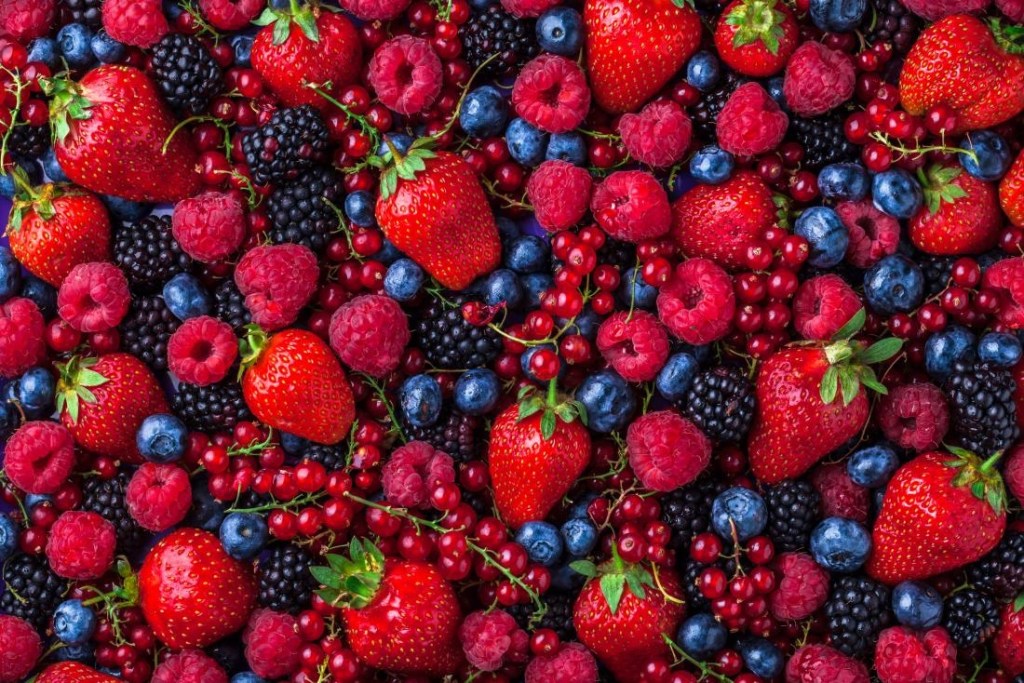
- Berries
Berries are low calorie nutrient powerhouses.
For example, one cup (123 g) of raspberries contains just 64 calories but provides 36% of the DV for vitamin C and manganese, as well as 12% for vitamin K (20Trusted Source).
One cup (152 g) of strawberries contains under 50 calories and provides 3 g of dietary fiber, as well as 99% of the DV for vitamin C and 26% for manganese (21Trusted Source).
Berries have also been shown to be filling. One small study found that people given a 65-calorie berry snack ate less food at a subsequent meal than those given candy with the same number of calories (22Trusted Source).
Additionally, eating berries may help decrease cholesterol levels, reduce blood pressure, and lower inflammation, which may be particularly helpful for people with overweight (23Trusted Source, 24Trusted Source).
Both fresh or frozen berries can be added to cereal or yogurt for breakfast, blended in a healthy smoothie, mixed into baked goods, or tossed in a salad.
SUMMARY
Berries are low in calories and contain many important vitamins. They also may have positive effects on cholesterol levels, blood pressure, and inflammation.

- Stone fruits
Stone fruits, also known as drupes, are a group of seasonal fruits with a fleshy exterior and a stone, or pit, on the inside. They include peaches, nectarines, plums, cherries, and apricots.
Stone fruits are low GI, low calorie, and rich in nutrients like vitamins C and A, which make them great for people trying to lose weight (5Trusted Source).
For example, one medium peach (150 g) contains 58 calories, while 1 cup (138 g) of cherries provides 87 calories, and two small plums (132 g) or four apricots (140 g) have less than 70 calories (25Trusted Source, 26Trusted Source, 27Trusted Source, 28Trusted Source).
Compared to packaged snack foods like chips or cookies, stone fruits are a more nutrient-dense, filling option.
Stone fruits can be eaten fresh, chopped up in fruit salads, mixed into a hearty porridge, or even grilled or added to savory dishes like stews.
SUMMARY
Stone fruits like peaches, nectarines, and plums make for a low calorie, seasonal snack. They are a good alternative to chips, cookies, or other packaged foods.
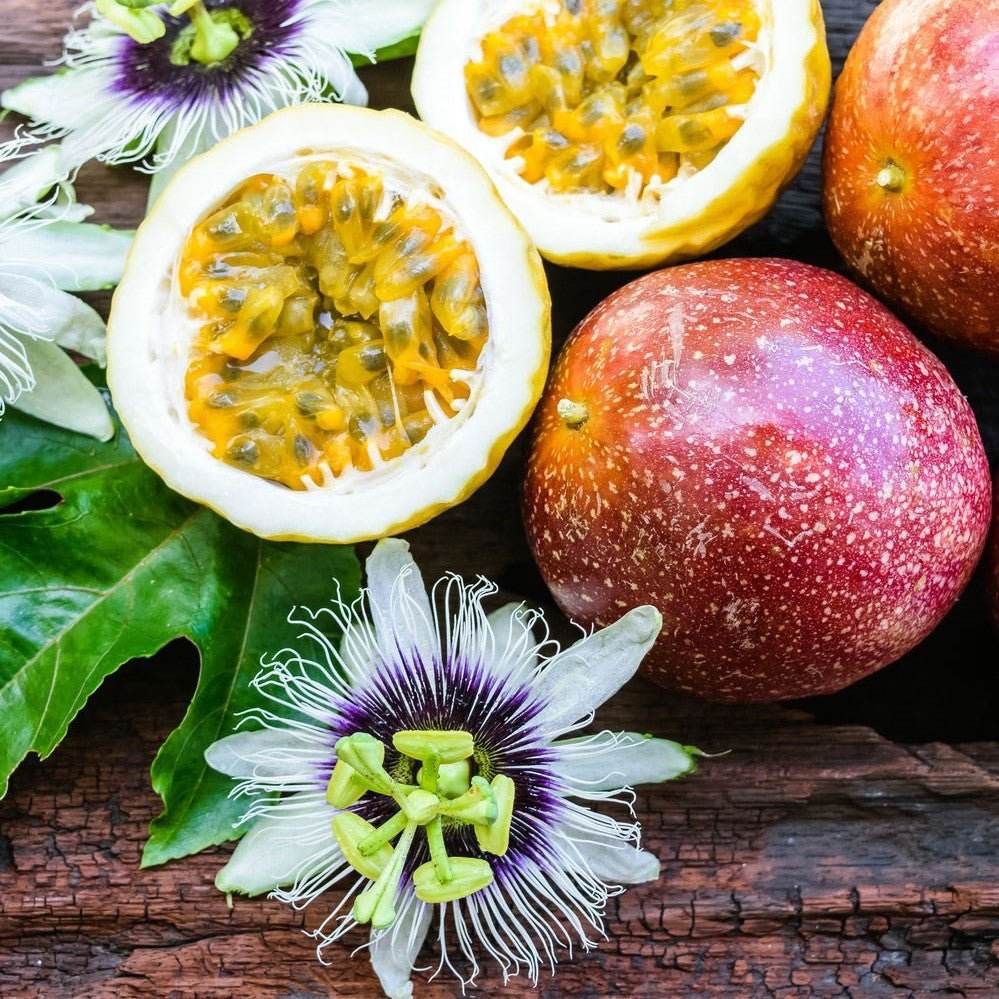
- Passion fruit
Passion fruit, which originates in South America, grows on a beautiful, flowering vine. It has a tough outer rind — purple or yellow in color — with an edible, pulpy seed mass inside (29Trusted Source).
One purple passion fruit (18 g) contains just 18 calories and is a rich source of fiber, vitamin C, vitamin A, iron, and potassium (30Trusted Source).
For such a small fruit, passion fruit holds ample amounts of dietary fiber. In fact, five of these fruits provide 33% of the DV for less than 100 calories (30Trusted Source).
Fiber slows down your digestion, helping you feel fuller for longer and controlling your appetite (31Trusted Source).
Additionally, passion fruit seeds provide piceatannol, a substance linked to reductions in blood pressure and improved insulin sensitivity in males with overweight. However, more research is needed (32Trusted Source).
For weight loss, passion fruit is best consumed whole. It can be eaten alone, used as a topping or filling for desserts, or added to drinks.
SUMMARY
Passion fruit is a low calorie, high fiber fruit that may benefit blood pressure and insulin sensitivity, potentially making it ideal for weight loss.

- Rhubarb
Rhubarb is actually a vegetable, but in Europe and North America, it is often prepared like a fruit.
While it has only 11 calories per stalk, it still packs almost 1 g of fiber and almost 12% of the DV for vitamin K (33Trusted Source).
Additionally, rhubarb fiber may help reduce high cholesterol.
In a 2007 study in 83 people with atherosclerosis — a disease of the arteries — those given 23 milligrams (mg) of dried rhubarb extract per lb of body weight (50 mg per kg) for 6 months experienced a significant decrease in cholesterol and improved blood vessel function (34Trusted Source).
Rhubarb stalks can be stewed and served with porridge or your favorite cereal. Although it can be used in many ways, including in desserts, it’s best to stick to low sugar rhubarb dishes when trying to lose weight.
SUMMARY
Rhubarb, which is low in calories and high in fiber, may aid weight loss, and could help lower cholesterol
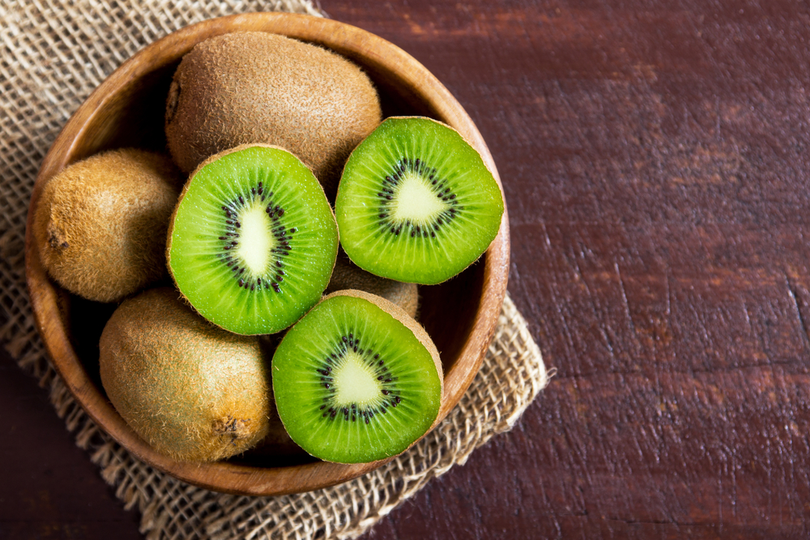
- Kiwifruit
Westend61/Getty Images
Kiwifruits are small, brown fruits with bright green or yellow flesh and tiny black seeds.
Very nutrient-dense, kiwis are an excellent source of vitamin C, vitamin K, folate, and fiber, and have significant health benefits (35Trusted Source, 36Trusted Source).
In one study, 41 people with prediabetes ate two golden kiwis per day for 12 weeks. They experienced higher vitamin C levels, a reduction in blood pressure, and a 1.2-inch (3.1-centimeter) reduction in waist circumference (37Trusted Source).
Additional studies note that kiwi can help control blood sugar, improve cholesterol, and support gut health — all additional weight loss benefits (38Trusted Source, 39Trusted Source, 40Trusted Source, 41Trusted Source).
Kiwis have a low GI, so while they do contain sugar, it is released more slowly, resulting in smaller blood sugar spikes (38Trusted Source, 42Trusted Source).
Furthermore, kiwis are rich in dietary fiber. One small, peeled fruit (69 g) has over 2 g of fiber, while the skin alone provides 1 g of additional fiber (35Trusted Source, 43Trusted Source).
Diets high in fiber from fruits and vegetables have been shown to promote weight loss, increase fullness, and improve gut health (44Trusted Source).
Kiwifruit is soft, sweet, and delicious when eaten raw, peeled, or unpeeled. It can also be juiced, used in salads, added to your morning cereal, or used in baked goods.
SUMMARY
Kiwifruits are highly nutritious and provide a range of health benefits. Their high fiber and low calorie content make them ideal for weight loss.

- Melons
Melons are low in calories and have a high water content, which makes them great for weight control.
Just 1 cup (150–170 g) of melon, such as honeydew or watermelon, provides a modest 46–61 calories (45Trusted Source, 46Trusted Source).
Though low in calories, melons are rich in fiber, potassium, and antioxidants, such as vitamin C (45Trusted Source, 46Trusted Source).
Moreover, consuming fruits with high water content may help you shed extra weight (47Trusted Source).
However, watermelon does have a high GI, so portion control is important (48Trusted Source).
Melons can be enjoyed fresh, cubed, or balled to liven up a fruit salad. They’re also easily blended into fruit smoothies or frozen into fruit popsicles.
SUMMARY
Melons are very low in calories and have a high water content, which may help you lose weight and keep you hydrated.

- Oranges
Like all citrus fruits, oranges are low in calories while high in vitamin C and fiber. They are also very filling (49Trusted Source).
While many people consume orange juice instead of orange slices, studies have found that eating whole fruits — rather than drinking fruit juices — not only results in less hunger and lower calorie intake, but also increased feelings of fullness (15Trusted Source, 50Trusted Source).
Therefore, if you are trying to lose weight, it may be better to eat oranges rather than drink orange juice. The fruit can be eaten alone or added to your favorite salad or dessert.
SUMMARY
Oranges are high in vitamin C and fiber. What’s more, they can help keep you feeling full.
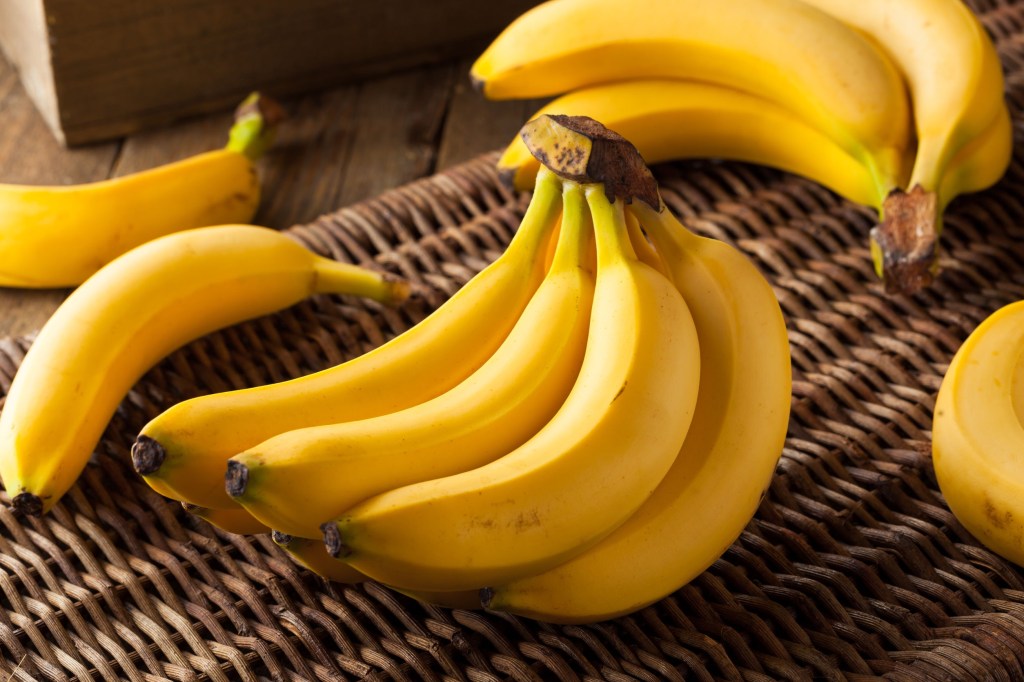
- Bananas
When trying to lose weight, some people avoid bananas due to their high sugar and calorie content.
While bananas are more calorie-dense than many other fruits, they are also more nutrient-dense, supplying potassium, magnesium, manganese, fiber, numerous antioxidants, and vitamins B6 and C (51Trusted Source, 52Trusted Source, 53Trusted Source).
Their low to medium GI may help control blood sugar levels and regulate weight — particularly for people who have diabetes (5Trusted Source, 6Trusted Source, 7Trusted Source).
Additionally, one 2014 study illustrated that eating a banana per day reduced both blood sugar and cholesterol in people with high cholesterol (54Trusted Source).
High quality, nutrient-dense, and low calorie foods like bananas are vital to any healthy weight management plan.
Bananas can be enjoyed on their own as a convenient on-the-go snack or added either raw or cooked to a wide variety of dishes.
SUMMARY
Bananas’ ample nutrients and fiber make them an ideal part of a healthy weight loss plan.

- Avocados
Avocados are a fatty, calorie-dense fruit grown in warm climates.
Half an avocado (100 g) contains 161 calories, making it one of the most calorie-dense fruits. The same amount provides 18% of the DV for vitamin K and 20% of the DV for folate (55Trusted Source).
Despite their high calorie and fat content, avocados may promote weight loss.
In one study, 51 people with overweight or obesity followed a low calorie diet, either with or without one avocado per day for 12 weeks. Both groups experienced significant weight loss, indicating that avocados are a smart choice for those looking to lose weight (56Trusted Source).
Other studies have found that eating avocados can increase feelings of fullness, decrease appetite, and improve cholesterol levels (57Trusted Source, 58Trusted Source).
Some research also suggests that regular consumption of avocados may be associated with improved diet quality and a reduced risk of heart disease (59Trusted Source, 60Trusted Source).
Avocados can be used as a replacement for butter or margarine on bread and toast. You can also add them to salads, smoothies, or dips.
SUMMARY
People who eat avocados tend to weigh less than people who do not. Despite their high fat content, avocados may help promote weight loss and weight maintenance
The bottom line
Fruit is an essential part of a healthy diet — and may aid weight loss.
Most fruits are low in calories while high in nutrients and fiber, which can boost your fullness.
Keep in mind that it’s best to eat fruits whole rather than juiced.
What’s more, simply eating fruit is not the key to weight loss. You should also strive for a healthy, whole-foods-based diet alongside physical activity.
Link to original article below.
https://www.healthline.com/nutrition/best-weight-loss-fruits#The-bottom-line
 EynsMassage
Leave a comment