
Can You Eat Pumpkin or Pumpkin Seeds Raw?
Medically reviewed by Lisa Hodgson, RDN, CDN, CDCES, FADCES, Nutrition — By Rachael Ajmera, MS, RD on July 26, 2021

From http://www.healthline.com

Raw pumpkin and its seeds may have slightly more vitamins and minerals, and can contain more antinutrients and fewer antioxidants than their cooked counterparts.
Frequently featured in flavorful recipes like pies, curries, cookies, and trail mix, pumpkin and pumpkin seeds are staple ingredients in many households, especially during the holidays.
Although most people prefer eating them cooked or roasted, you can also eat pumpkin and pumpkin seeds raw.
Still, key differences set apart raw and cooked varieties, especially in terms of taste, texture, and nutritional value.
This article explains how raw and cooked pumpkin and pumpkin seeds compare with one another.

Nutritional value
Raw pumpkin and pumpkin seeds may differ slightly in nutrients compared with their cooked counterparts.
In fact, cooking often decreases the content of water-soluble vitamins, including B vitamins like riboflavin, thiamine, and niacin, as well as vitamin C (1Trusted Source).
Cooked pumpkin may also contain slightly lower amounts of vitamin A, copper, and potassium (2Trusted Source, 3Trusted Source).
This table compares 3.5 ounces (100 grams) of raw and boiled pumpkin (2Trusted Source, 3Trusted Source):Raw pumpkinBoiled pumpkinCalories2620Protein1 gram1 gramFat0.1 grams0.1 gramsCarbs6.5 grams5 gramsFiber0.5 grams1 gramVitamin A47% of the Daily Value (DV)32% of the DVVitamin C10% of the DV5% of the DVVitamin E7% of the DV5% of the DVRiboflavin9% of the DV6% of the DVCopper14% of the DV10% of the DVPotassium7% of the DV5% of the DVPantothenic acid6% of the DV4% of the DVManganese5% of the DV4% of the DV

What about pumpkin seeds?
Although cooking may lead to a loss of micronutrients, one study found that roasting pumpkin seeds increased their antioxidant, phenol, and flavonoid contents (4Trusted Source).
Soaking and cooking these seeds may also reduce their amount of antinutrients, which are compounds that impair the absorption of certain minerals in your body (5Trusted Source).
Nonetheless, roasting them may increase the formation of polycyclic aromatic hydrocarbons (PAHs), which are harmful compounds that are considered carcinogenic (6Trusted Source, 7Trusted Source, 8Trusted Source).
SUMMARY
Raw pumpkin is slightly higher in water-soluble vitamins and other nutrients than cooked pumpkin. Still, raw pumpkin seeds may have fewer antioxidants and more antinutrients than roasted seeds.

Flavor and texture
Pumpkin and pumpkin seeds also taste a little different when raw rather than cooked.
Raw pumpkin has a fresh, somewhat bitter flavor and a fibrous, stringy texture. Because it can be difficult to eat on its own, it’s usually puréed or grated.
Cooked pumpkin, on the other hand, is sweeter. Its taste is often compared to sweet potatoes or squash.
Meanwhile, raw pumpkin seeds have a very mild flavor and chewy texture. As such, many people prefer roasting them, which gives the seeds a savory, nutty taste and crunchier texture.
SUMMARY
Raw pumpkin is more fibrous and less sweet than cooked varieties, while raw pumpkin seeds are chewier and blander than roasted seeds.
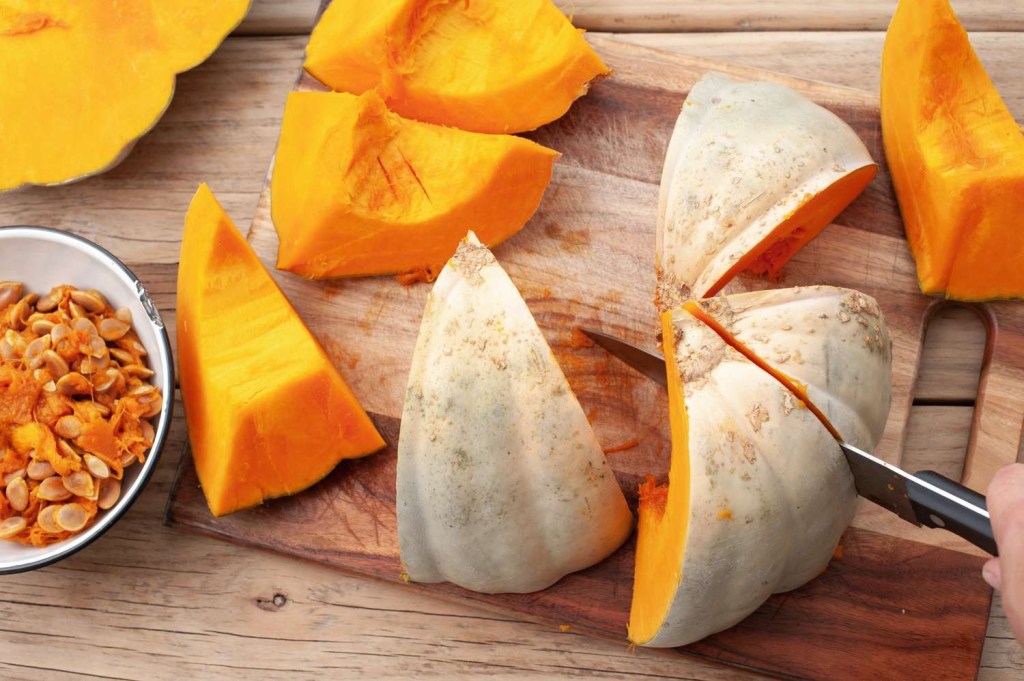
Is eating raw pumpkin safe?
Eating raw foods may increase your risk of food poisoning. This is especially true with raw pumpkin seeds, which may harbor harmful bacteria like Salmonella and E. coli.
If consumed, these bacteria may cause foodborne illness, leading to symptoms like diarrhea, vomiting, fever, and stomach cramps (9Trusted Source).
What’s more, sprouting and drying seeds does not completely eliminate these pathogens (10Trusted SourceTrusted Source, 11Trusted SourceTrusted Source).
However, outbreaks of foodborne illness from pumpkin seeds are rare. Regulatory bodies like the Food and Drug Administration (FDA) work closely with food manufacturers to prevent contamination (12Trusted Source).
If you’re particularly concerned about food poisoning, you should cook pumpkin and pumpkin seeds thoroughly. It’s also important to practice proper food safety, store pumpkin seeds in an airtight container, and eat them within 2–3 months (13Trusted Source, 14Trusted Source).
SUMMARY
Raw pumpkin and its seeds may contain harmful bacteria that cause foodborne illness. Practicing proper food safety minimizes your risk of infection.
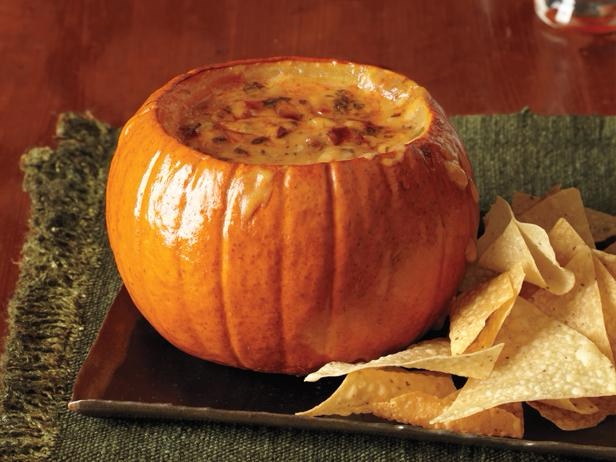
How to eat raw pumpkin and pumpkin seeds
There are plenty of ways to enjoy pumpkin and pumpkin seeds whether raw or cooked.
Raw pumpkin can be puréed and mixed into cottage cheese or grated and used as a nutrient-dense topping for salads and baked goods.
Meanwhile, cooked pumpkin works well in soups, stir-fries, curries, and desserts.
Pumpkin seeds can be seasoned and enjoyed raw or roasted for a simple snack option. They can also add crunch to soups, salads, sandwiches, and homemade trail mix.
SUMMARY
Pumpkin and pumpkin seeds make great ingredients in soups and salads, as well as numerous other dishes, whether raw or cooked.

The bottom line
Raw foods may contain harmful bacteria, but outbreaks of foodborne illness from eating raw pumpkin and pumpkin seeds are rare.
While raw pumpkin and its seeds may have slightly more vitamins and minerals, their taste and texture are often considered less appetizing. They may also contain more antinutrients and fewer antioxidants than their cooked counterparts.
Regardless of whether you eat these foods raw or cooked, be sure to practice proper food safety and enjoy them as part of a healthy, well-rounded diet.
Link to original article below.
https://www.healthline.com/nutrition/can-you-eat-pumpkin-raw#bottom-line
 EynsMassage
Leave a comment